Thursday, December 12, 1907 Afternoon

“No accident in the entire history of coal mining in America compares with this holocaust. It would be hard to picture a more complete scene of sorrow and desolation than that about the pit mouth. Everywhere are the blown and broken timbers, everywhere the blackened wreckage, showing the fearful force of the explosion. And over the wailing, desolate women and the gaunt, hard featured men working about the ruins, the black smoke hangs like a pall.” (TLA 12.12.07 pg. 1)

~Noon

“Governor Dawson today announced that he will personally attend the inquiry…” (CDT 12.12.07 pg. 1)
Gov. Dawson - wikipedia
Governor W.M.O. Dawson

In Monongah:

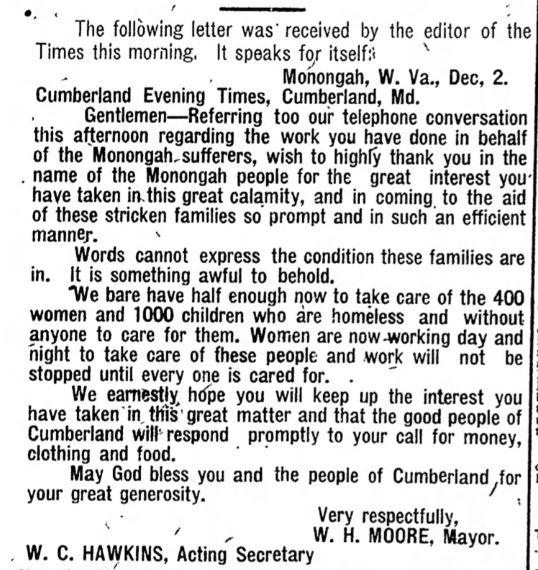
12.13.07 - pg 1 - Monongah 2
CET 12.13.07 pg 1
At the mines:

“Two hundred and eighty-five bodies were recovered at noon from the Monongah mines and twenty-five more were ready to be brought to the surface.” (CDT 12.12.07 pg. 1)

“Up to noon today 285 bodies had been recovered from the Monongah mines. They are being brought out more rapidly now and many more will have been recovered by night.” (ES 12.12.07 pg. 2)

“More than 400 bodies, it is expected, will have been recovered by Saturday night, by which time the rescuers hope to have found every body.” (ES 12.12.07 pg. 2)

2:22 pm

In Monongah:

The body of Timothy Lyden was taken from the morgue “to his home at Monongah to remain three hours and at 2:22 this afternoon accompanied by relatives and friends it was shipped to [Clarksburg] for burial.” (CDT 12.12.07 pg. 4)

“Mr. Lyden’s body will be at the home of his mother, Mrs. Ellen Lyden, on Jackson street tonight and until 10 o’clock tomorrow morning, when it will be taken to the Catholic church where funeral services will be held and interment will be in Holy Cross cemetery.” (CDT 12.12.07 pg. 4)

During the Afternoon

In Pittsburgh:

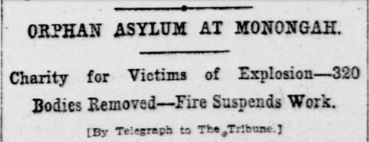
“Officials of the coal company were in Pittsburgh this afternoon, conferring with those familiar with hospital maintenance, and it is understood that $50,000 will be spent by the coal company in erecting a suitable orphan asylum building. After it is finished, the children will be taken care of and educated. It is understood that certain wealthy men have expressed a desire to assist in endowing such an asylum, making it permanent for use of orphans of those who lose their lives in the mines of the company.” (WH 12.13.07 pg. 1)

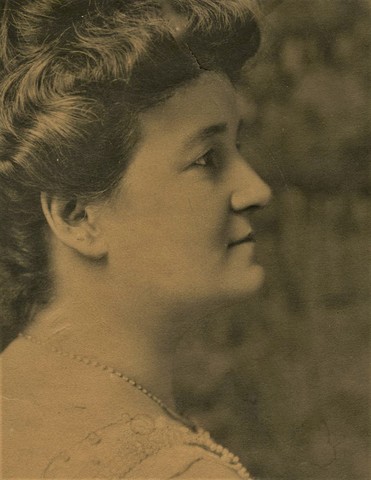
“A woman’s sympathetic heart coupled with her ability to accomplish her purposes has solved the distressing problem of the thousand children who have been made orphans by the mine explosion at Monongah, in which several hundred lives went out. The woman is Mrs. Clarence W. Watson [Minnie Owings Watson], wife of the president of the Fairmont Coal Company which owns the property in which the calamity happened. She is a social leader in Baltimore and New York, but since the explosion she has demonstrated that she can be notable for other things besides driving fine horses for prizes in show rings and planning cotillons. Acting on Mrs. Watson’s suggestion her husband came to Pittsburg today to make contracts for the erection of a $50,000 asylum for the homeless little ones at Monongah. Mr. Watson said that it was the one practical suggestion which had come to him or any of the members of the Fairmont Company.” (RP 12.14.07 pg. 4)

“Mrs. Watson took a prominent part at this season’s horse show in New York. She was a prize winner, carrying off ribbons with her famous Lord Baltimore and My Maryland. Lord Baltimore is considered one of the finest harness horses in America. Mrs. Watson and her millionaire husband carried off several prizes with them in the international show in London.” (RP 12.14.07 pg. 4)

“Bishop Donoghue, of the Wheeling district has been at Monongah leading in the relief work, and Mrs. Watson has been, perhaps, his most able assistant.” (RP 12.14.07 pg. 4)
minnie_2__large
Minnie Owings Watson

“The day of the explosion Mrs. Watson hurried to Monongah with her husband. She plunged into the work of relief with her heart open for the suffering and destitute. In a few hours she was recognized as good spirit of the place. Wherever she goes in the stricken town she carried light with her.” (RP 12.14.07 pg. 4)

“It was the children who made a special plea to her sympathy. Their helplessness, their absolute dependence overwhelmed her. After the first couple of days she went to her husband and demanded that he do something. He was at a loss and asked her for her suggestions. She said that the one thing for him and his company to do was build and asylum for the little ones.” (RP 12.14.07 pg. 4)

“How to care for the children of the explosion victims has been and will be a problem until Mrs. Watson’s home for them is built.” (RP 12.14.07 pg. 4)

In Fairmont:

“The body of Charles Wise of Fairmont, one of the best known men, was…brought here for interment this afternoon.” (ES 12.12.07 pg. 2)

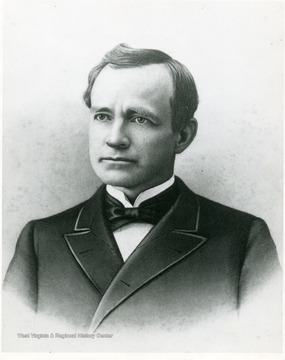
Frank A. Wilmot and George A. Campsey from the Carnegie Hero Commission arrive in Fairmont. “After looking over the ground a while Mr. Wilmot decided to go to the Fairmont Coal Company offices at Monongah and make known his mission. Before going, however, he met Col. A.H Fleming of Fairmont whom he knew personally…” (FWV 12.23.07 pg. 1 – extra)
A.B. Fleming
A.B. Fleming

Mr. Harry H Stock, E.M. editor of “Mines and Minerals” of Scranton PA is visitor in the city. He procured copies of the West Virginian for every day since the mine disaster. (FWV 12.12.07 pg. 5)

In Monongah:

“The ladies of the relief corps are continuing their noble work and much food is being dispensed to the workers. Soups, meats, sandwiches, vegetables pie and coffee constitute the mean which is served night and day in a little building near the company office. Hundreds are thus fed every day.” (CDT 12.12.07 pg. 1)

C.W. Watson will not give a statement about the number of victims to the press until the “total number of miners is known…census of miners had not yet been completed. Three or four miners lived in the country and their families would have to be seen before the statement could be made. Mr. Watson said that the number would be between 328 and 334.” (FWV 12.12.07 pg. 1) (FWV 12.13.07 pg. 1)

He provides this statement instead:

“The work of removing bodies from the mines progressed very rapidly today and at the rate that the dead are brought out now the search work will be completed sooner than it was thought. The work in mine No 6 is practically done. The searchers have explored all the rooms of that mine.” (FWV 12.12.07 pg. 1)

Rumors of epidemic begin to surface and are attributed to the many maimed and decomposing bodies and carcasses about the town and still inside the mines. (McAteer) (News)

Mr. Fleming and Wilmot arrive in Monongah and go to the office where Wilmot is introduced to General Manager Lee. L Malone. “Mr. Malone at once placed the records of the company relative to the census of miners being taken at Mr. Wilmot’s disposal and after verifying the newspaper reports he hunted Mayor Moore to take some active steps for relief work.”

“Mr. Wilmot found Mayor Moore surrounded by a crowd of about 50 people engaged in relief work, but he gave Mr. Wilmot a hearing and very kindly consented to do whatever was thought best in the matter of organizing the committees.” (FWV 12.23.07 pg. 1 & 4 – extra)

At the mines:

The removal of livestock begins.

drivers - 1908

Marion County Board of Health issues a 2nd order: “…imminent danger of epidemic of disease breaking out…scores of men working in recovering dead are prostrated…so urgent…all of the streets of Monongah were heavily sprinkled with lime…odors emanating…unbearable.” (McAteer)

At #8:

1st full search is completed in #8 and a second search immediately begins. (McAteer) (Inquiry)

“Patrick Louchney’s remains were found in mines No. 8 and taken to the morgue this afternoon. His body was terribly mangled and mutilated. It will be taken to Clarksburg for burial.” (CDT 12.12.07 pg. 1)

~3:30 pm

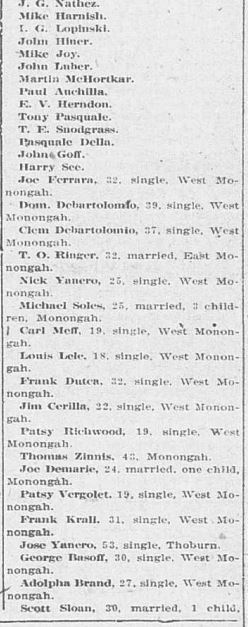
12.12.07 - pg 1 - Monongah 212.12.07 - pg 1 - Monongah 3

CDT 12.12.07 - pg 1 - Monongah 4
CDT 12.12.07 pg 1

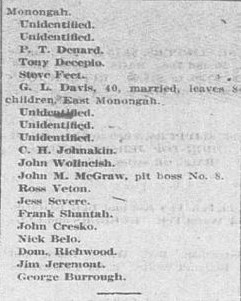
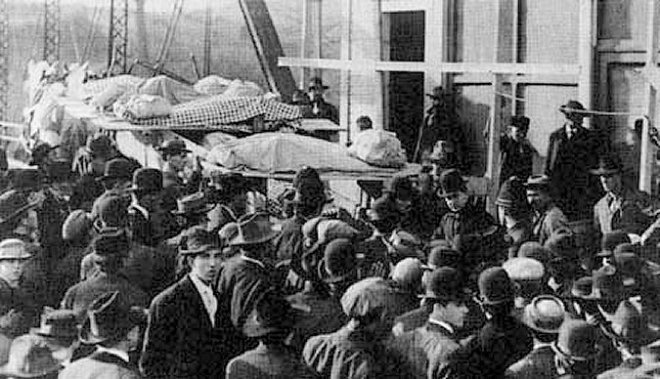
“A great many bodies remain unidentified as yet and probably most of these will never be identified or claimed by relatives. The number of the unidentified reached fully sixty so far and doubtless many of those yet to be recovered will be in the same class.” (CDT 12.12.07 pg. 1)

~4:00 pm

In Fairmont:

The 24 members and 2 guests of the Ladies Aid Society of the Diamond Street M.E. Church complete “40 pieces of clothing” and enjoy a dinner “for the small sum of $.15”, the proceeds intended to go to the relief fund. (FWV 12.12.07 pg. 2) (FWV 12.13.07 pg. 2)

~4:30 pm

In Wheeling:

The Wheeling Board of Trade holds special meeting of directors about the Monongah relief fund. Labor Commissioner I.V. Barton (who went to Monongah shortly after the disaster and stated he would bring a report of conditions to Board of Trade) “spoke at some length”.

“There are, Mr. Barton stated, from a thousand to twelve hundred orphans and at least 350 widows it has been estimated. The children have been born since the disaster and there are 60 expectant mothers among the widows. The Fairmont Coal Co. and the local relief committees are doing nobly, and are caring for the situation.” Mr. Barton stated that if the Board of Trade was to contribute, now is the time to do it. “The aid is not necessary now but in the future relief will be needed.”

The Board of Trade contributes $1,000.00 to the relief fund. (FWV 12.13.07 pg. 1)

In Monongah:

In the earliest days after the disaster, various relief committees were formed by well-meaning individuals and groups but there is no representation for the immigrants and their various nationalities among them. Bishop Donahue was added to the initial general relief committee when he pointed out a lack of representation for the Italian and Polish-Slavic Catholic churches and the committee expanded to incorporate immigrant representation. (McAteer) (News)

Manager/Secretary of Carnegie Hero Fund Commission Frank M Wilmot combines the majority of these relief committees into one: the Monongah Mine Relief Committee. (McAteer)

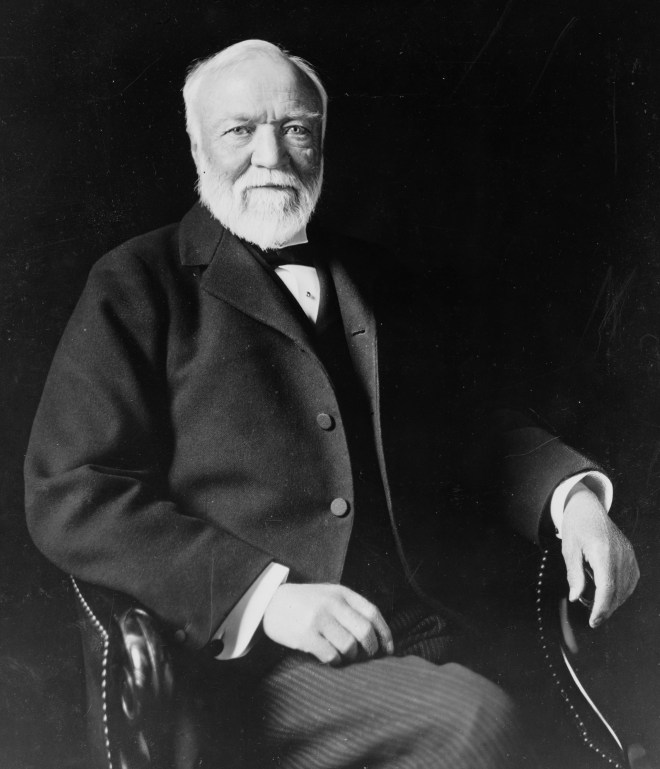
The Carnegie Hero Fund donates $35,000 to this relief committee and takes charge of the organizing.  (McAteer) (News)

Wilmot then has a meeting with Watson, Fleming, and other company officials to discuss their role in the relief efforts. Watson and Fleming are cautious about endorsing notion of public appeal for funds. They are concerned about the effect such an appeal would have politically, particularly on the general public. Wilmot convinces them the response would be well received. Following the meetings with Wilmot and others they soon became supportive of the relief committees and assigned “various employees in the offices of FCC & others to work nights, Sundays, and other extra time helping the Subscription Committee to address envelopes and send out appeals”. Eventually, officials of mine, like Cunningham, serve as members of committee. (McAteer)

The Union Relief Association Committee, made up entirely of women from Fairmont and surrounding areas, is the only one not included into the MMRC.

~5:00 pm

Cunningham sends Watson a list of names along with morgue numbers. Bossilo Pillelo and Petro Frediro are listed with a note: “Italians were in #8. Selecting place to work. Chief Paul found their order copy x of mine laws.” (McAteer)
Andrew_Carnegie,1913
Andrew Carnegie


More on How Death Gloated!

Bibliography

Disclaimer and Guide

Introduction

About the Author

Contact Information

Thursday, December 12, 1907 Midnight – Morning

CDT 12.12.07 - pg 1 - Monongah 5
CDT 12.12.07 pg 1

In the early hours of the morning

12.12.07 - pg 6 - Monongah
TMDM 12.12.07 pg 6
In Hendricks, WV:

Roy Yaeger, 28 year old engineer for Western Maryland railroad, detects an odor of gas in his home and starts to investigate. He quickly finds that a rubber hose has come loose from a stove and “just as he was in the act of turning the gas off the gas was ignited from an oil lamp in another part of the house and the explosion followed.” (FWV 12.13.07 pg. 2)

“Yaeger was ablaze in an instant and jumping out of a window he rushed up street, his clothes burning fiercely. Before he could be succored his clothes were all burned off and was a mass of charred flesh.” (FWV 12.13.07 pg. 2)

Yeager “met with a terrible death”. His wife and little child were severely burned and the home in where they lived was practically blown to pieces. (FWV 12.13.07 pg. 2)

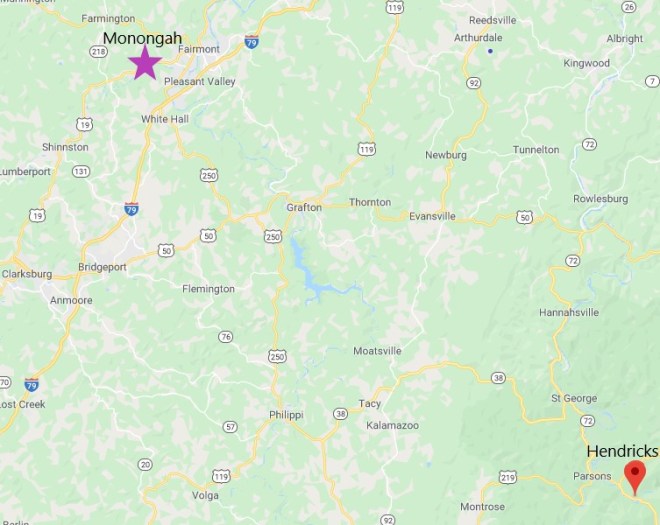
hendricks

~3:00 am

CDT 12.12.07 - pg 4 - Lydens Body“The body of Timothy Lyden was found in mine No. 6 at Monongah at 3 o’clock this morning, taken to the morgue and prepared for burial.” (CDT 12.12.07 pg. 4)
“Relatives identified the body by his clothes and the back of his head. The body was well preserved but the face was badly mutilated.” (CDT 12.12.07 pg. 4)
“Mr. Lyden was 38 years of age and leaves a widow and five children. He was a brother of Patrick J., Michael and Margaret Lyden and Mrs. P.F. Tiernery.” (CDT 12.12.07 pg. 4)
~3:30 am

CDT 12.12.07 - pg 1 - Henry martin

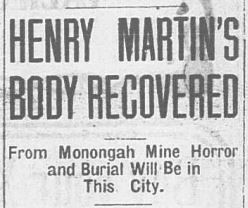
“Henry Martin’s body was found in mine No. 6 at Monongah at 3:30 o’clock this morning and identified by his brother, Patrick Martin, of this city. Mr. Martin has another brother here, too, Thomas Martin.” (CDT 12.12.07 pg. 1)

“Mr. Martin was 42 years of age.” (CDT 12.12.07 pg. 1)

“Mr. Martin leaves a wife and five children making his death particularly sad, as they were dependent upon him for support.” (CDT 12.12.07 pg. 1)

“Accompanied by relatives and friends, the body will leave Monongah at 8:22 o’clock tomorrow morning for Clarksburg, and will be taken to the Catholic church, where at 10 o’clock funeral services will be held at the same time that the Timothy Lyden obsequies are held. It will be a double funeral at the church—all at the same mass. Interment will be in Holy Cross cemetery.” (CDT 12.12.07 pg. 1)

At some point during the early morning hours

The body of John T. McGraw, pitt boss at Monongah mine No. 8, “was recovered from the mine early Thursday morning”. (CDT 12.13.07 pg. 1)

~4:30 am

“The body of Charles Wise of Fairmont, one of the best known men, was recovered at 4:30 o’clock…” (ES 12.12.07 pg. 2)

Wise was personal surveyor for Senator J.N. Camden. He surveyed inside of mines to ensure Camden and others were properly paid by Consolidated Coal Company. (FWV 12.12.07 pg. 1)

The 37 year old Chief Engineer “went into the ill-fated mine only a short time before the explosion.” (ES 12.12.07 pg. 2) (FWV 12.12.07 pg. 1)

Despite early reports announcing that only his jack and shoes had been found, leading people to believe Charles had been “blown to atoms”: “The body was in a good state of preservation and easily recognized. Besides in his pockets were his B&O mileage book, street car book, watch, ring and pipe, which were means to identify him.” (FWV 12.12.07 pg. 1)

Wise was found in #6 near the main heading, in a sitting position ½ mile away from his jacket. He had wrapped his waistcoat around his head indicating that he had survived the explosion and attempted to find his way out but got lost in the darkness and was eventually overcome by afterdamp. (FWV 12.12.07 pg.1)

Charles becomes body #258 to pass through the morgue. (Amos)

He leaves a widow, Pearl Reed Wise, and 2 sons: Thomas Reuben, 2 years, and Lorin Turney, 2 months old. (McAteer) (FWV 12.12.07 pg. 1)

~6:00

In Fairmont:

All mines in the Fairmont Coal Field are up and running to almost full capacity except those in Monongah. (FWV 12.11.07 pg.1)

The Fairmont West Virginian reports the weather as: Partly cloudy tonight and Friday, nearly stationary temperature (FWV 12.12.07 pg. 1)

In Monongah:

The remains of Charles D. Wise are taken to Musgrave’s undertaking parlors “just as they were taken from the mine” on 6:15 street car. (FWV 12.12.07 pg. 1)

At the mines:

“Officials…feel hopeful that the large force of rescuers, entering the mines at Monongah this morning will be the last necessary to send into the workings to recover the bodies…” (ES 12.12.07 pg. 2)

~8:00 am

In Clarksburg:

“The body of Thomas Killeen was brought here Thursday morning from the Monongah mine horror. The funeral was held in the Catholic church and burial in Holy Cross Cemetery.” (CDT 12.12.07 pg. 5)

In Fairmont:

Tom Donlin’s funeral is held at St. Peter’s Catholic church under the direction of the Ancient Order of Hibernians. Services are largely attended by friends and relatives following with interment at Holy Cross cemetery. Pallbearers were: Messrs. M.J. O’Neil, Anthony McDonough, John Kelley, John D Barry, Michael Ford and Jas. Erwin. (FWV 12/12/07 pg. 5)

In Monongah:

Women and children are still standing guard by the morgue.

women

At the mines:

Ventilation is restored to 8 miles of room headings, 550 rooms have been explored and tracks in 5.5 miles of main headings are cleaned up enough to allow hauling of bodies and materials. (McAteer)

1st full search completed in #6. The search parties have explored all the rooms of the mine and 20 searchers transfer from No 6 to No 8. “…the work in No 8 will be practically completed tonight when all the men will have been removed except those under falls.” (McAteer) (FWV 12.12.07 pg. 1)

The bodies taken out this morning are in “pretty good condition” so as George Gibbon, who has been able to identify most of the miners, was very successful. (FWV 12.11.07 pg.1) (FWV 12.12.07 pg. 1)

Among them is body #287—Ellis V. Herndon, this author’s great-great grandfather. Ellis’s son, Ira Herndon, was unable to go to work Friday morning due to his wet boots, and has had no need to take part in the rescue efforts as “they had other people who did that”.  Ira is able to stay with his family throughout the whole ordeal and mourn their elder. Ellis was found in excellent condition and buried in the cemetery “on the back of Tower Hill, in the hollow.” (Loss)

cemeteries
The mass grave donated earlier this week due to inclement weather is by the Catholic cemetery. However, the original potter’s field, which was used and became full within the first few days after the disaster, is currently unknown/lost. This author has quite the theory as to its potential location and this will be discussed later in an “Issues” post.

~9:00 am

In Belle Vernon, PA:

Coroner Hagan commences the official inquiry into the December 1st Naomi mine explosion. A number of officials testified and it was heavily discussed whether or not electricity should be used in mines.

In Fairmont:

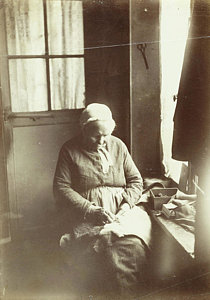
Ladies Aid Society of the Diamond Street M.E. Church meets at the home of Mrs. Priscilla Merrifield on Wilson St. between 9am-4pm. 24 members and 2 visitors spend the day “sewing or doing any other work that may be done for the Monongah sufferers. Clothing or anything which will be donated for the cause will be gladly received by the ladies.” (FWV 12.10.07 pg. 2) (FWV 12.12.07 pg. 2)

old-woman-sitting-by-a-window-sewing-anonymous-artokoloro

“A Pittsburgh man said this morning that he was surprised at the small contributions being sent in for the Monongah relief fund. He thought the big cities were taking too little interest in the matter and that the papers ought to take the question up with a view to creating a larger fund. He thinks there ought to be a fund of at least $200,000 to properly care for 300 widows and 1,000 orphans.” (FWV 12.12.07 pg. )

In Monongah:

2 men try the same trick from day before of posing as workmen to get food and goods. They are caught, arrested, and put in the Monongah jail. (FWV 12.11.07 pg.1)

“About 100 men are digging graves for the dead and as fast as the bodies are prepared and identified they are taken to the cemeteries or shipped to the places designated by friends.” (FWV 12.11.07 pg.1)

Messrs. S.E. Jenkins and J.A.C. Prickett, representatives of the Setting Sun Tribe of the Improved Order of Red Men, accompanied the body of one of the Monongah victims to the home at Connellsville, PA. (FWV 12.12.07 pg. 2)

~10:00 am

“Two hundred and eighty-five bodies were recovered at 10 o’clock today, and 25 more were ready for removal to the surface.” (LET 12.12.07 pg. 1)

~11:00 am

In Pittsburgh, PA:

NYTb 12.13.07 - pg 5 - Monongah

“C.W. Watson…will, in the name of his wife, erect an orphan asylum at Monongah in which will be cared for and educated the children of the men who lost their lives in the disaster. Today representatives of Mr. Watson visited this city, where they inspected various orphan asylums, and announced that work on the new asylum at Monongah will be started at once.” (NYTb 12.13.07 pg. 5)

In Charleston, WV:

TA 12.12.07 - pg 1 - Ohio Relief Fund

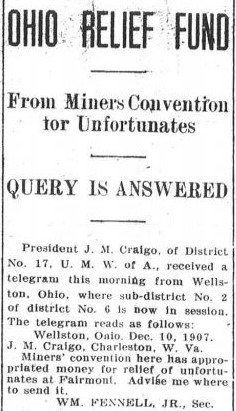
“President Craigo called at the office of the Mail, where a relief fund is being collected and was advised that it would be better to have the contribution from the Wellston miners sent direct from that point to Mayor Moore, at Monongah, rather than have it come to Charleston and then be remitted from here to Monongah. Mr. Craigo adopted the suggestion and wired the convention to the that effect.” (TA 12.12.07 pg. 1)

In Monongah:

“R.H. Spahr went to Monongah this morning and spent a few hours viewing the mine horror.” (CDT 12.12.07 pg. 8)

“At 11 0’clock this morning 256 bodies have been waiting for transportation. It is estimated that there are still 145 bodies in the mines. Eighty-five bodies are unidentified. The greater number of these have already been buried.” (WT 12.12.07 pg. 3)

mmd-mining2


More on How Death Gloated!

Bibliography

Disclaimer and Guide

Introduction

About the Author

Contact Information

The Basics: Terminology

There are several reasons why Appalachians have their own special language about their land. The most prominent reason is that ‘proper’ English simply isn’t good enough to help with navigation. Those basic terms work just fine in the foothills and the flatlands, but deep in these ranges and forests we need to get a little more specific so we don’t end up on the wrong side of the mountain. So, we tend to make up our own words or adapt existing words to take on a new or more specific meaning which is why terminology will differ depending on where you go in Appalachia.

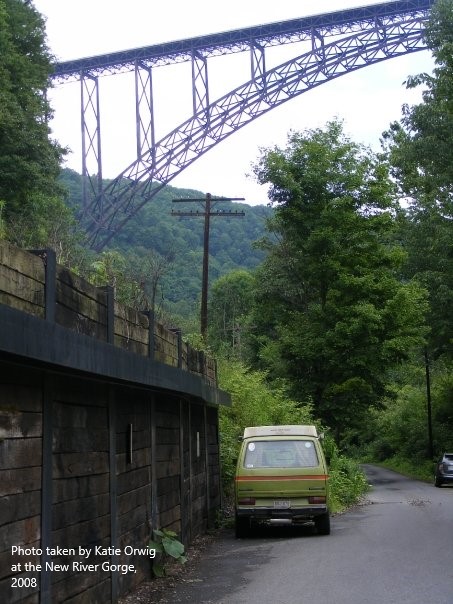
van at new river

Terminology matters just as much today as it did in the times before GPS and vehicles. Mostly because this terminology is included in the names of many places, like Mill Fall Run, and if you lose your satellite reception (which will happen in certain parts) knowing your terminology can help you “get to where you need to get” all on your own just like the early settlers or those on the Underground Railroad.

The layout of Monongah and its surrounding area is a perfect example of the terminology and its relevance. I am a ‘visual’ person so I will use lots of pictures to get you familiar with our terminology as it applies to this little town, its people and the surrounding areas.

2017-12-04_16.28.33

GEOGRAPHY

Land

north america - mountain ranges

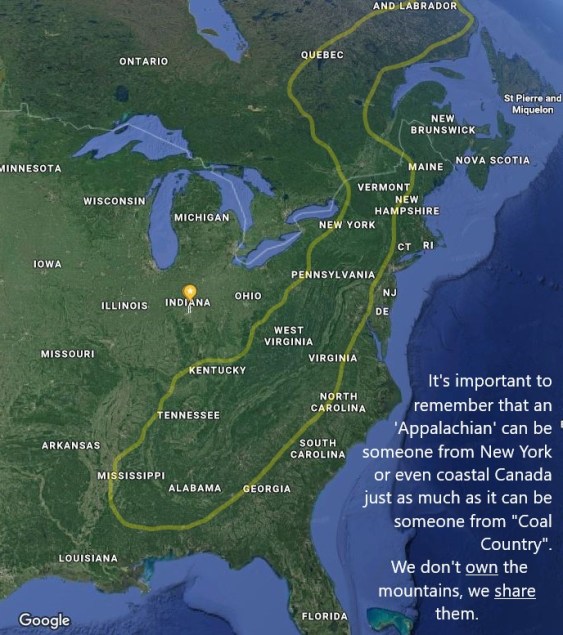
Well, just in case you didn’t already know, we are located in the Appalachian Mountain range which extends from the deep south all the way up into Canada on the east coast. West Virginia is the only state completely engulfed by this range. Even when we were part of Virginia, they still referred to us as “Western Virginia” and, basically treated us with the same indigence. We were those rugged, backwoods “Mountaineers” who lived off the land with only the very basics and enough to ‘care for our own’. The proper English folk of the Colonies had no use for us if they couldn’t profit from us so, the area was mostly neglected and remained severely isolated from ‘society’ until coal was discovered. By that time, we had developed our own complex language and various dialects to accommodate our environment. Despite the best efforts of the “Americanization” process of the early 20th century, that language still thrives today and it helps to know the very basics.

FB_IMG_1537747430334
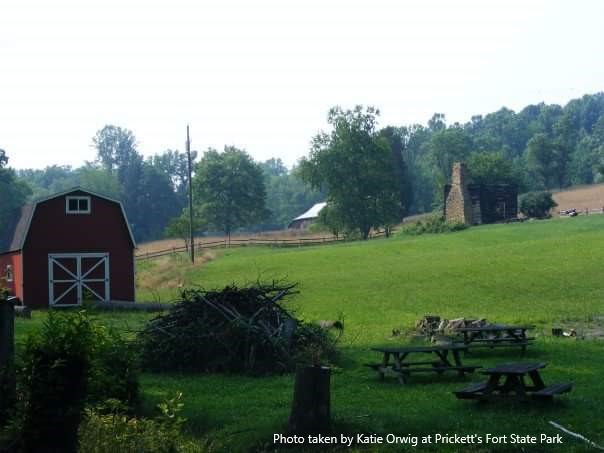
This photo is of the Morgan Cabin at Prickett’s Fort State Park only a few days after an arson incident when the old pioneer house was set on fire.

The Valley

Valleys are elongated lowlands between other uplands along major waterways and typically play permanent host to major cities or towns. Therefore, they are more populated and hold most of the resources for the area. Monongah sits in a valley along the West Fork River. At the time all of the ‘official’ mapping and naming was going on, we were included as part of the Monongahela/Tygart Valley Region. This probably explains why most of Monongah’s earliest settlers got their land by tomahawk rights.

frontThumbnail (30)
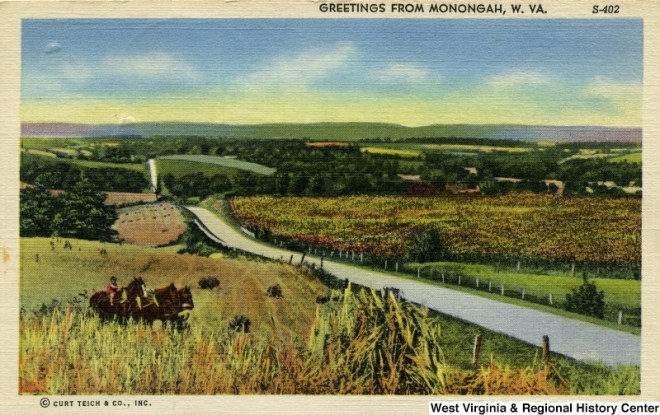
If you love history and old photos, I highly suggest browsing the extensive online collection of the West Virginia & Regional History Center at WV Dept. of Arts, Culture, and History

When it comes to the time of tales like ‘Coffin Hollow’, this place was still just a collection of isolated farmers in a small hollow known as Briar Town. Once transport to and from the hollow was established via railroad, bringing industry and a population boom to the area, her status was upgraded to valley and the hollow known as Briar Town became the town of Monongah – a suburb of the city of Fairmont.

Screenshot_2018-09-22-17-31-37

Screenshot_2018-09-19-19-46-26-1
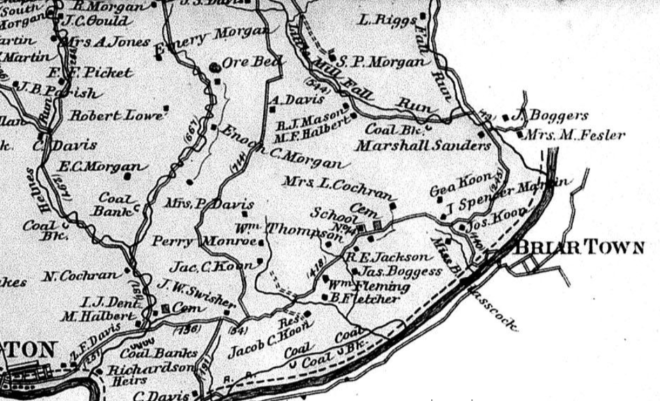
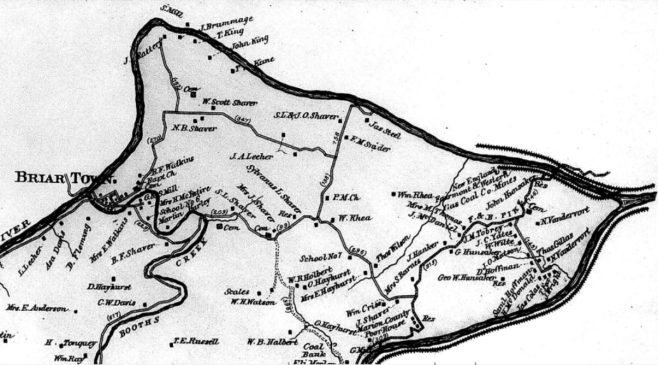
These are screenshots of a map of the area from 1886. The East side of Briar Town is in the Grant District. The West side of Briar Town is in the Lincoln District. Link to the website where these maps can be viewed or purchased are in description

The Hollow

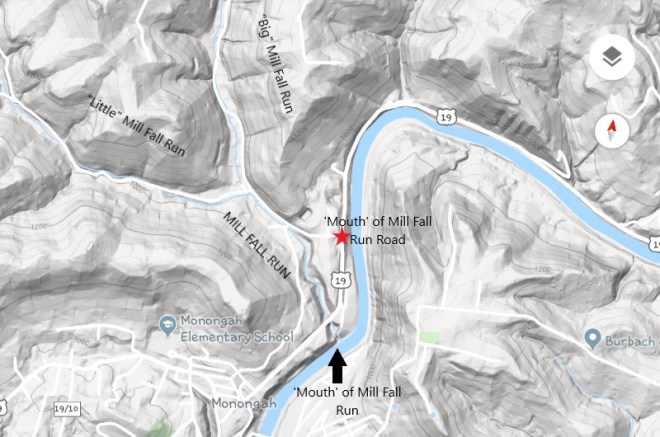
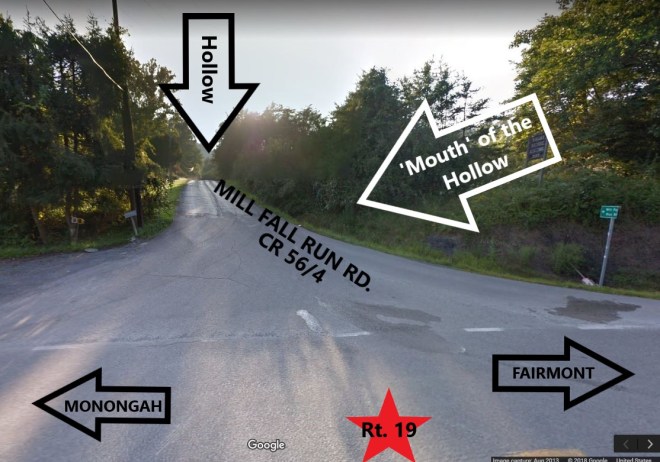
Hollows are valleys – an area of land that has been drained or irrigated over time by a water system which may or may not still exist; the second definition of the word valley. The key difference is that a hollow is located on higher ground within the landscape surrounding what is considered to be THE valley. Though the ‘mouth’ of the hollow may be located in the valley, it’s typically not the only way in or out. It’s simply the most direct way into the hollow from the main road or path which almost always follows along the main valley and its waterway, hence the term ‘mouth’.

mill fall mouth street view

It’s all about navigation.

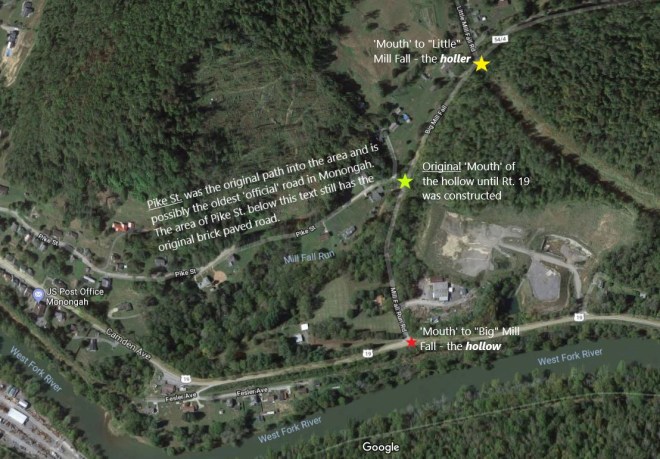
mill fall mouth map

The most important thing to know about what constitutes a hollow these days, is its road system. In a city, rather than walking all around the block to get to the next street, you may try to cut through an alley or ‘backstreet’ because the shortest distance between two points is a straight line, right? But, you will use caution because alleys are notorious for their potential dangers and a wrong turn can send you in the worst direction. Hollows are just like alleys.

road maps - hollows

Hollows can usually be determined by the width and conditions of their roads. An existing and mapped road wide enough for two cars to pass side by side, though it may be a tight squeeze, is your typical hollow road. The ‘mouth’ of the hollow is often paved but it doesn’t always stay that way throughout. Main routes which pass through hollows are paved, painted, and mapped by Google Earth like any typical road these days.

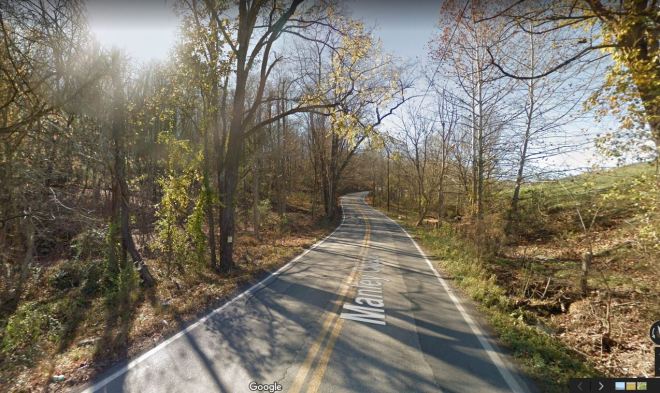
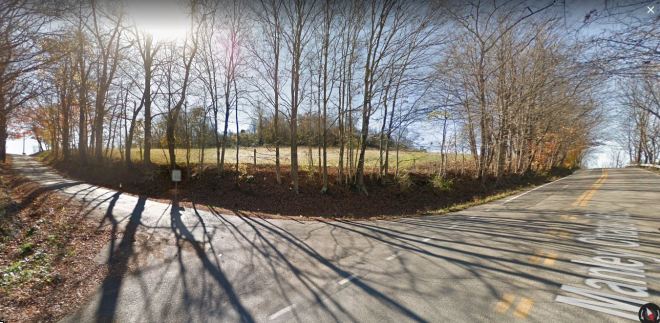
manley chapel country road
Manley Chapel Rd. is a hollow road which also functions as a main route.

However, Country Roads, like the CR56s in and around Monongah, are a hit-or-miss; if they are paved, they probably don’t have lines as they typically get the most minimal of maintenance and the Google Maps car probably can’t get clear pictures on such bumpy roads. A real Country Road is more like a permanent scab of compressed dirt and gravel where the space for 2 cars means someone’s tires are riding the ditch.

hollow road

If you watch this YouTube video of Hall Family Roadtrips you can see first hand how easy it is to get mixed up on these roads without some kind of navigating system or existing knowledge. I love this video for so many reasons:

  1. Being from this area, the first part of this video pleases me so much as the driver ‘hits every light’ at just the right time along Fairmont Ave. You don’t realize how rare that is until you’ve worked food delivery service in that place.
  2. It is a brilliant live example of what I’m trying to explain. If you look at the far right of the map above, where the yellow line turns over the word “Fairmont”, and start this video at 2:06 you can follow along on the map as they drive. Except…
  3. This poor driver gets sucked into the “Country Club Trap” at 3:28. Now, this is great for you and me because it gives you a glimpse of what I mean by “hollow-holler-hollow” road systems. Notice how the road changes with its surroundings. The deeper you get into the hollow the more it starts to resemble a holler as the road narrows, the lines go away, and forest surrounds you more than residences.

    country club rd - holler road
    Snapshot from the Hall Family video
  4. Then, at 4:40, we get dropped back out next to the West Fork River on Rt. 19, exactly where we would have ended up minutes earlier if the driver had just stayed straight at the light and not turned right onto a hollow/holler road.
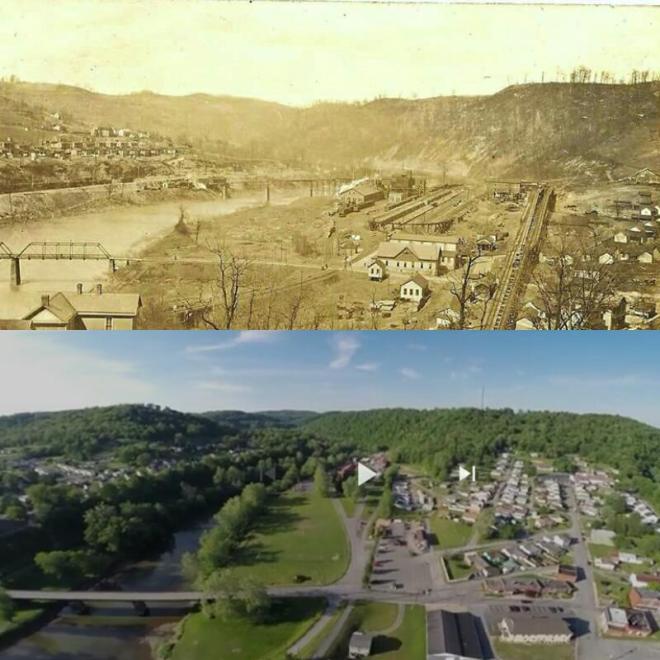
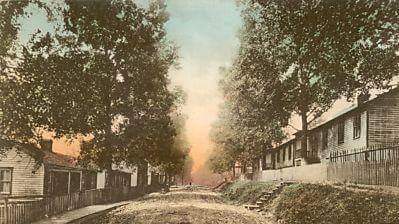
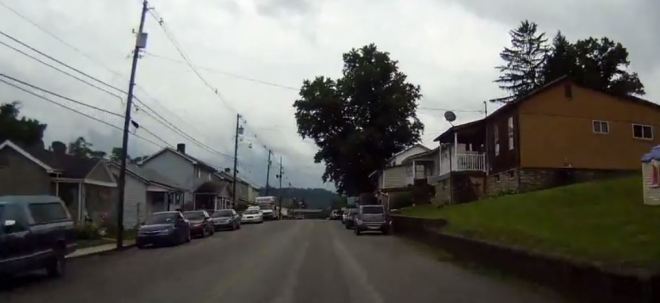
  5. From there, you are on your way into the west side of Monongah. At 5:20, the driver passes the ‘mouth’ of Mill Fall Run on the right. At 5:32 of this video, you pull into Monongah where Rt. 19 is known as Camden Ave (because it predates the existence of Rt. 19) and it really is a blast from the past. Below is a postcard of Camden Ave around the turn of the 20th century on top of a snapshot of Camden Ave today. Old postcard of Camden Ave.

    camden ave
    Snapshot from Hall Family video
  6. At 5:50, the driver stops to turn on GPS or at least check a map right smack in the middle of Monongah, which isn’t uncommon. Monongah itself is so twisty and turny with so many ins and outs that travelers tend to get wary about making another wrong turn beyond this point. We have a saying that, “all roads lead to Monongah; you just gotta know where to turn”.

Hollow roads are sometimes several miles long and if you can navigate these Country Roads just right they can be a shortcut to the other side of the county, they can connect to other hollows, or they can take you to someplace even more awesome…

hollow on right, holler on left
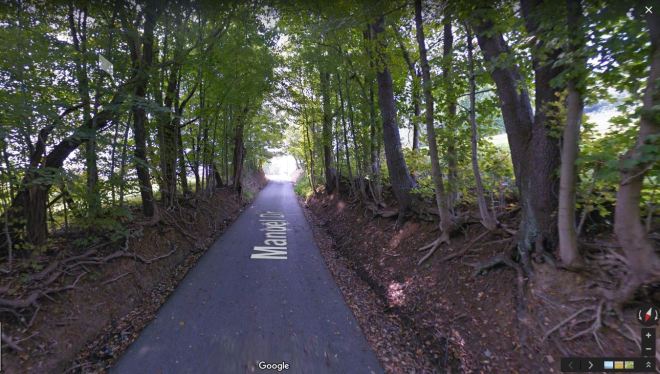
Along Manley Chapel Rd., another road branches off to the left. This is Manuel Dr. – a holler road.
UPDATE 9/25/2018: For a bit of insight on just how hazardous these roads can be, here is an article from WSAZ reporting on a School bus that overturned when the road collapsed

The Holler

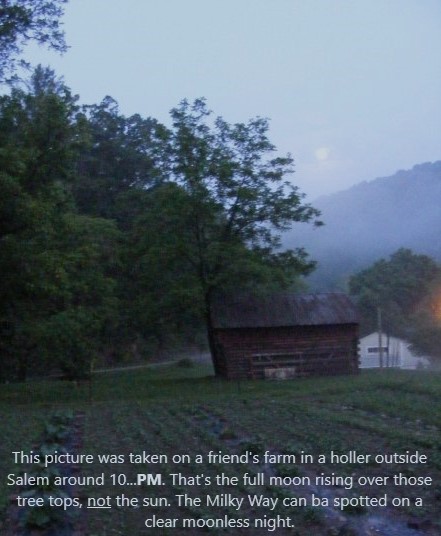
Holler moon
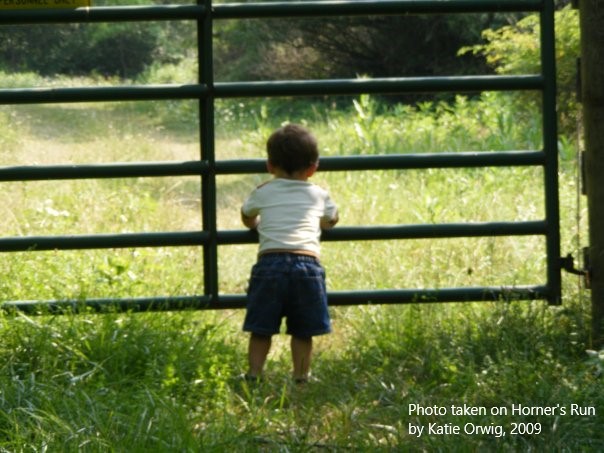
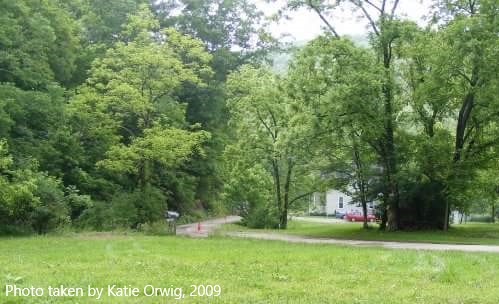
photo taken by Author, 2009

A holler is a very special place. One can only get to a real holler in a vehicle by correctly navigating the hollow. Sometimes you can only find the holler if you have been personally invited by its occupants as only they know the ways in and out. Other times, you may need to hike, bike, and/or boat your way there.

camping

The holler is just an area past the hollow. The holler is a far more isolated place because it sits deeper in the mountains, typically below the hollow but still above the valley and can be impossible to navigate. In the right areas of the state, you can find hollows or hollers with a full rapid river, like Ten Mile in Buckhannon. In the greater Monongah area, our hollers are more likely to have nothing more than a crick which may be elevated to creek status only after heavy rains.

creek vs crick

Where valleys typically have rivers or streams, a hollow may have nothing more than a run or brook/creek, and a holler will usually only have a crick– which, in some cases, is only around after heavy rains as it is nothing more than a natural drainage path for runoff rainwater.

Manuel Dr- street view
Manuel Dr. is a beautiful example of a holler road

You may have heard that the holler gets its name from the fact that all one must do to talk to your neighbor on the adjacent hill is simply “holler” at them. Well, that can happen in hollows too. That factor is more of a coincidence which just helped the term stick as a general title. True, in the average holler you can talk to a neighbor over hundred of yards away as if they were on your own porch, but this isn’t true for all hollers or hollows.

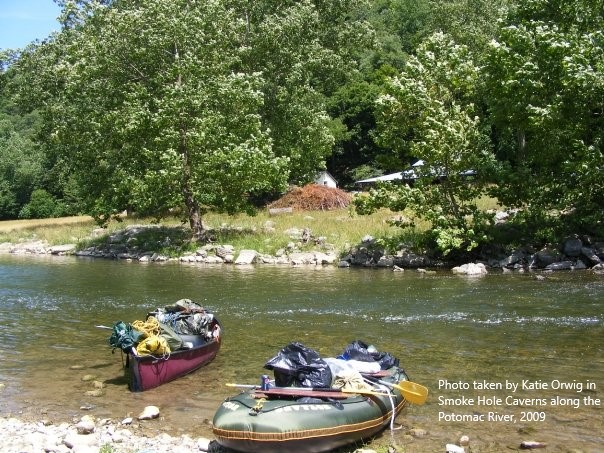
smokehole1

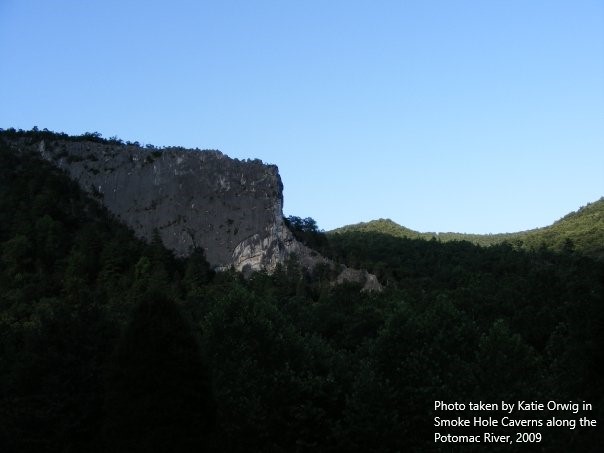
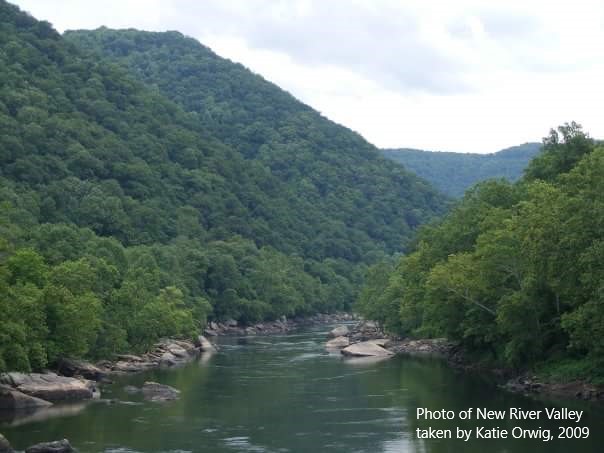
In a steep valley holler with a large waterway, like those in the southern part of the state near the New River Gorge, it doesn’t work as well. The white noise of the flowing river paired with the air currents of the valley can ‘take your words with the wind’. However, in small ‘backwoods’ hollers where the natural landscape mimics that of a Greek or Roman amphitheater, voices or other sounds can carry with such ease that hollerin’ is unnecessary overkill.

FB_IMG_1537749574952

In the early years of my childhood, before the days of 24 hour news channels and shows like America’s Most Wanted and Unsolved Mysteries, being a kid meant being home by the time the streetlights came on and always staying within “hollerin’ distance”. The landscape of any area will determine what counts as “hollerin’ distance” – the distance a good hearty shout will travel across the landscape to the ears of another person. Basically, if the adults couldn’t hear you and you couldn’t hear them, then you were out of “hollerin’ distance” and you were in real trouble.

The Waterways

We have the same types of terms everyone else has for their natural water systems. But, naturally, we have a hierarchical system in place so we can get quite specific with them too as it is another special part of our navigation system.

FB_IMG_1537748965126

Though West Virginia can boast many lakes, both natural and man-made, our most important water sources are our rivers.

The River

MF5

Rivers were the main navigation tool in the mountains from the earliest days. The Ohio River makes up our western most border, the Potomac defines our eastern panhandle, but it is the Monongahela River which is believed to have flowed the first of the indigenous groups (Native Americans) into the north central mountain area from the Delaware region centuries, possibly even thousands, of years ago.

Monongahela is a very specific and descriptive word on its own. Surprisingly, Wikipedia has the best and most concise description of this word:

https://en.wikipedia.org/wiki/Monongahela_River

The Unami word Monongahela means “falling banks”, in reference to the geological instability of the river’s banks. Moravian missionary David Zeisberger (1721–1808) gave this account of the naming: “In the Indian tongue the name of this river was Mechmenawungihilla (alternatively spelled Menawngihella), which signifies a high bank, which is ever washed out and therefore collapses.”[11]

The Lenape Language Project renders the word as Mënaonkihëla (pronounced [mənaoŋɡihəla]), translated “where banks cave in or erode”,[12] from the verbs mënaonkihële “the dirt caves off” (such as the bank of a river or creek, or in a landslide)[13] and mënaonke (pronounced [mənaoŋɡe]), “it has a loose bank” (where one might fall in).[14]

Monongalia County and the town of Monongah, both in West Virginia, are named for the river, as is the city of Monongahela in Pennsylvania. (The name “Monongalia” is either a Latinized adaptation of “Monongahela” or simply a variant spelling.)

MT36
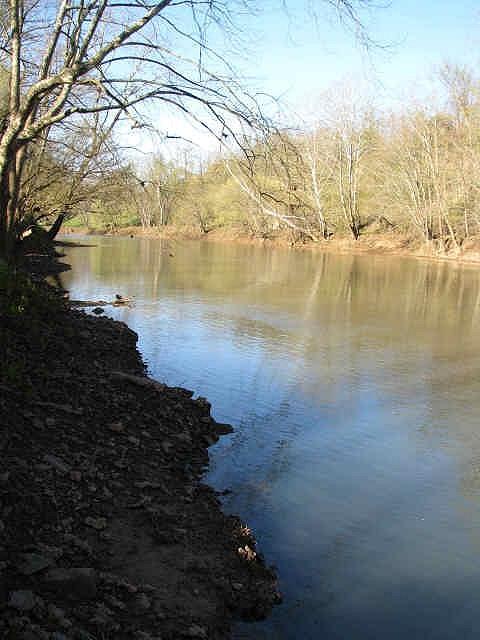
A “high” “loose” “falling” bank along a river where the dirt “is ever washed out” and therefore “caves in” and one treading along it “might fall in” to the river below. Yep, sounds like the West Fork in Monongah!

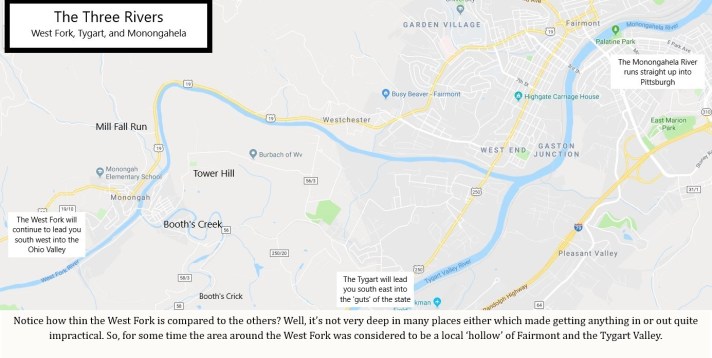
Oddly, Monongah does not sit along the Monongahela River. She is tucked away in a little and hard to access valley along the West Fork River which was only passable by anything more than a small boat during flood seasons until the railroad came along. However, her luck of having such abundant coal reserves and being so close to the Monongahela River, yet still so very isolated from ‘society’ in Fairmont, made her the “gem” of the Fairmont coal field.

map 2

Valley Falls
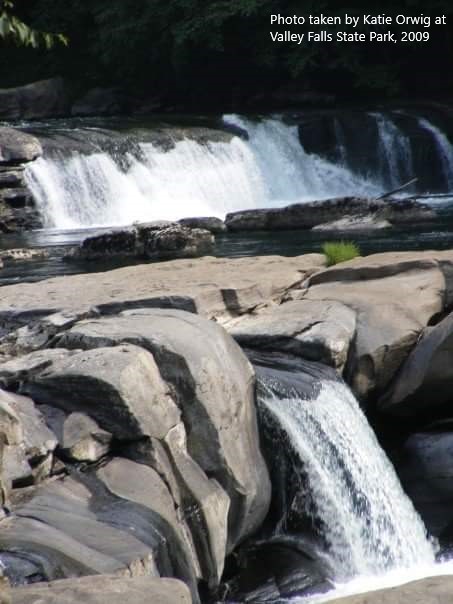
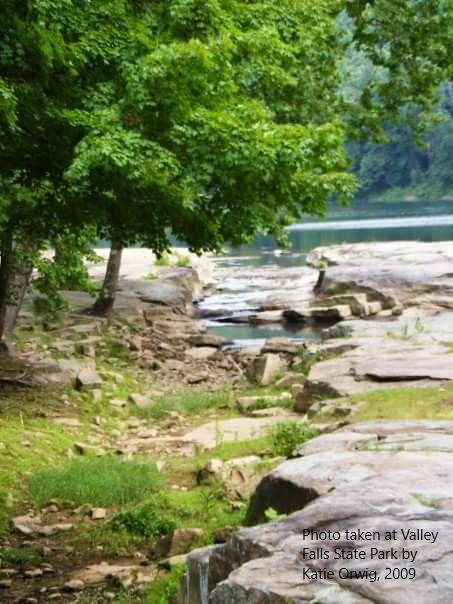
Some rivers are calm, others are rapid like parts of the Tygart Valley River which flows through and continues to carve the falls at Valley Falls State Park

The Stream

stream

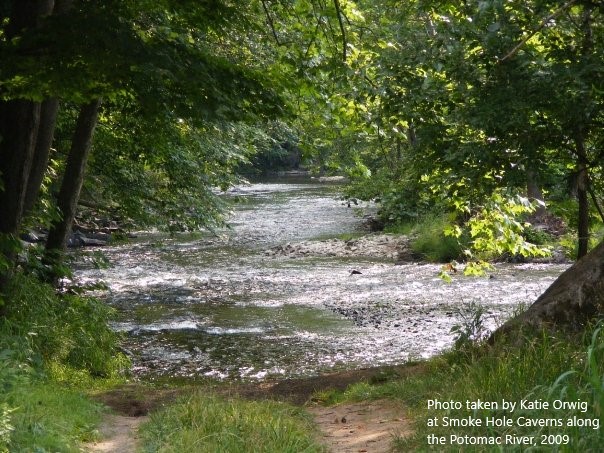
Streams are just smaller and more narrow rivers. In the mountains, a stream could be a few different things. It could be the classification given to a section of a major river which is just so low at a certain point that the river bed can be seen and the water literally streams at a slower rate, causing the river rocks to create tiny rapids, like in the photo of a section of the Potomac River above. This could be the norm for certain parts of rivers due to their natural elevation or it could just be as a result of drought and, therefore, only temporarily low.

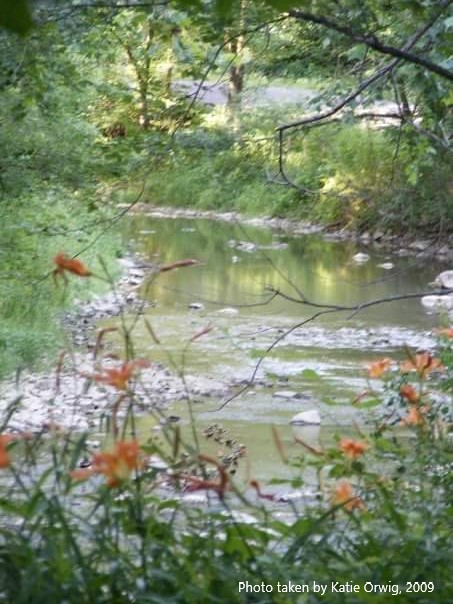
The photos above are an example of a stream being a small runoff branch of a larger and more powerful river nearby. In areas around the Valley Falls portion of the Tygart Valley River, these little streams can be found cutting into the landscape here and there along the banks. They often have a steady supply of water but some will travel up the landscape and then they could turn out to be something else…

The Run

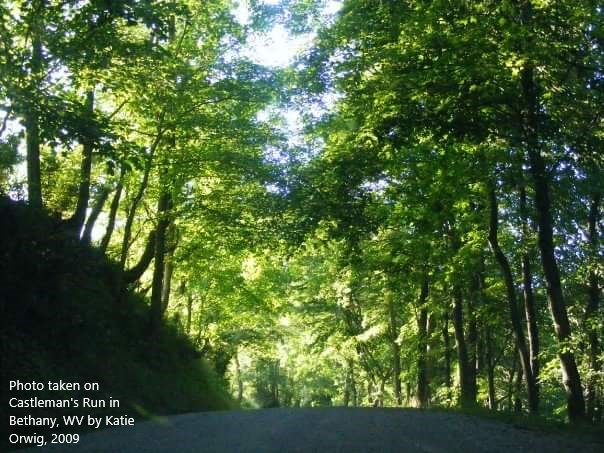
Castleman Run
Castleman Run branches off of Buffalo Creek in Bethany, WV. This is where I would come to study while attending Bethany College.

A run is a just a small stream which holds a very special quality: its path stretches up from the main river into the higher landscape surrounding the main valley. A run is sort of half stream-half brook; it has a ‘mouth’ in the valley fed by the flow of the river like a stream but, it’s areas of higher elevation are natural rainwater runoff paths which act more like brooks carrying rain water down to the ‘mouth’ to be dumped back into the river. As a result of this natural drainage system, runs can be notorious for flash floods.

A run can take you deeper into the landscape or lead you out which explains why many hollows follow along runs- it runs water in a more direct path from higher elevations to the valley below. That is also why the word “run” is typically included in the names of places like this but, at one point, runs in these mountains took on a very special alternative meaning to certain people.

Screenshot_2018-09-22-16-10-18

Due to their nature, runs were very significant in the times of the Underground Railroad when survival or freedom meant knowing that you need to follow the brook to the run through the hollow then wait at the ‘mouth’ to the river in the valley. Follow the creek or crick by mistake and you could end up going deeper into the landscape and fall into the hands of the wrong neighbor who will have no qualms about letting bounty hunters know about this secret little ‘through-way’ for escaped slaves.

The Brook/Creek

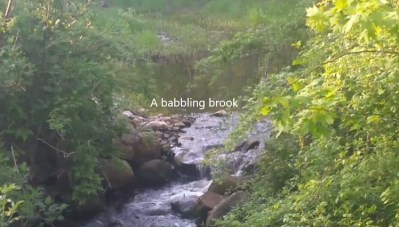
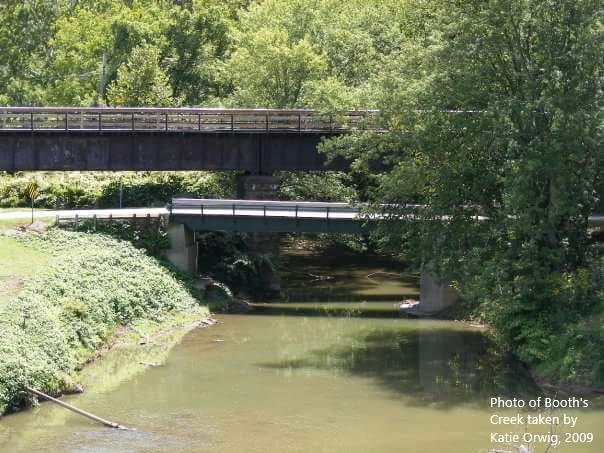
Brook is often interchangeable with creek but, again, in the mountains we have to be a little more specific sometimes. Brooks and creeks are just small streams. They can be their own entity and carry water from a highland directly down to the valley below or they can feed into a run or stream. There is no exact science in determining the difference between a brook and a creek other than observing elevation and even that is hit-or-miss depending on the landscape.

FB_IMG_1537749544065

However, if you had to try and take a guess and determine if you are beside a creek or a brook the first thing to do is look and listen to the water. Does it look like it is flowing with gravity? Does it sound like a cup that’s slightly overflowing in your sink, the little trickle of water falling down sort of ‘babbles’ as it runs down and hits the bottom? Then it’s a probably a brook.

brookE

brook

Or, is the waterway rather level for the most part? Does it serpentine through the landscape, occasionally rising and falling while it twists and turns? Does it sound a little more like water pouring out of a hose than a container overflowing? Then it’s probably a creek which is typically found on slightly lower elevations and it’s flow has less to do with gravity and more to do with water pressure.

FB_IMG_1537749734732

The Crick

Last but not least we have the crick. Now, cricks aren’t always there in the form of water but their path is still a permanent gouge in the landscape. More often than not, cricks only really flow after heavy rains.

FB_IMG_1537747953037
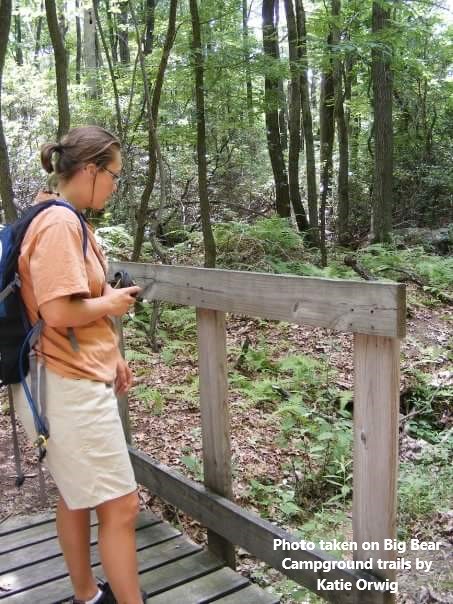
My friend, Becky, evaluating the crick below. If you look closely, you can see there is some water in there but the gap that remains in the land is the real reason for the footbridge