Thursday, December 12, 1907 Afternoon

“No accident in the entire history of coal mining in America compares with this holocaust. It would be hard to picture a more complete scene of sorrow and desolation than that about the pit mouth. Everywhere are the blown and broken timbers, everywhere the blackened wreckage, showing the fearful force of the explosion. And over the wailing, desolate women and the gaunt, hard featured men working about the ruins, the black smoke hangs like a pall.” (TLA 12.12.07 pg. 1)

~Noon

“Governor Dawson today announced that he will personally attend the inquiry…” (CDT 12.12.07 pg. 1)
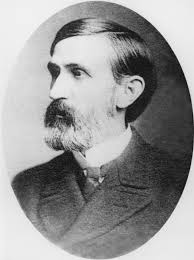
Gov. Dawson - wikipedia
Governor W.M.O. Dawson

In Monongah:

12.13.07 - pg 1 - Monongah 2
CET 12.13.07 pg 1
At the mines:

“Two hundred and eighty-five bodies were recovered at noon from the Monongah mines and twenty-five more were ready to be brought to the surface.” (CDT 12.12.07 pg. 1)

“Up to noon today 285 bodies had been recovered from the Monongah mines. They are being brought out more rapidly now and many more will have been recovered by night.” (ES 12.12.07 pg. 2)

“More than 400 bodies, it is expected, will have been recovered by Saturday night, by which time the rescuers hope to have found every body.” (ES 12.12.07 pg. 2)

2:22 pm

In Monongah:

The body of Timothy Lyden was taken from the morgue “to his home at Monongah to remain three hours and at 2:22 this afternoon accompanied by relatives and friends it was shipped to [Clarksburg] for burial.” (CDT 12.12.07 pg. 4)

“Mr. Lyden’s body will be at the home of his mother, Mrs. Ellen Lyden, on Jackson street tonight and until 10 o’clock tomorrow morning, when it will be taken to the Catholic church where funeral services will be held and interment will be in Holy Cross cemetery.” (CDT 12.12.07 pg. 4)

During the Afternoon

In Pittsburgh:

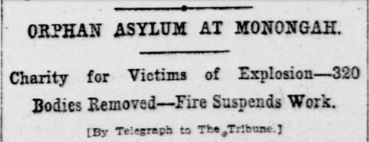
“Officials of the coal company were in Pittsburgh this afternoon, conferring with those familiar with hospital maintenance, and it is understood that $50,000 will be spent by the coal company in erecting a suitable orphan asylum building. After it is finished, the children will be taken care of and educated. It is understood that certain wealthy men have expressed a desire to assist in endowing such an asylum, making it permanent for use of orphans of those who lose their lives in the mines of the company.” (WH 12.13.07 pg. 1)

“A woman’s sympathetic heart coupled with her ability to accomplish her purposes has solved the distressing problem of the thousand children who have been made orphans by the mine explosion at Monongah, in which several hundred lives went out. The woman is Mrs. Clarence W. Watson [Minnie Owings Watson], wife of the president of the Fairmont Coal Company which owns the property in which the calamity happened. She is a social leader in Baltimore and New York, but since the explosion she has demonstrated that she can be notable for other things besides driving fine horses for prizes in show rings and planning cotillons. Acting on Mrs. Watson’s suggestion her husband came to Pittsburg today to make contracts for the erection of a $50,000 asylum for the homeless little ones at Monongah. Mr. Watson said that it was the one practical suggestion which had come to him or any of the members of the Fairmont Company.” (RP 12.14.07 pg. 4)

“Mrs. Watson took a prominent part at this season’s horse show in New York. She was a prize winner, carrying off ribbons with her famous Lord Baltimore and My Maryland. Lord Baltimore is considered one of the finest harness horses in America. Mrs. Watson and her millionaire husband carried off several prizes with them in the international show in London.” (RP 12.14.07 pg. 4)

“Bishop Donoghue, of the Wheeling district has been at Monongah leading in the relief work, and Mrs. Watson has been, perhaps, his most able assistant.” (RP 12.14.07 pg. 4)
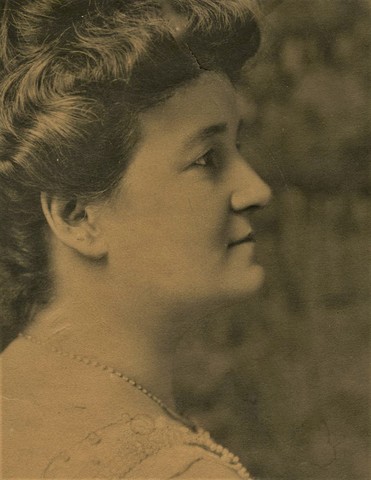
minnie_2__large
Minnie Owings Watson

“The day of the explosion Mrs. Watson hurried to Monongah with her husband. She plunged into the work of relief with her heart open for the suffering and destitute. In a few hours she was recognized as good spirit of the place. Wherever she goes in the stricken town she carried light with her.” (RP 12.14.07 pg. 4)

“It was the children who made a special plea to her sympathy. Their helplessness, their absolute dependence overwhelmed her. After the first couple of days she went to her husband and demanded that he do something. He was at a loss and asked her for her suggestions. She said that the one thing for him and his company to do was build and asylum for the little ones.” (RP 12.14.07 pg. 4)

“How to care for the children of the explosion victims has been and will be a problem until Mrs. Watson’s home for them is built.” (RP 12.14.07 pg. 4)

In Fairmont:

“The body of Charles Wise of Fairmont, one of the best known men, was…brought here for interment this afternoon.” (ES 12.12.07 pg. 2)

Frank A. Wilmot and George A. Campsey from the Carnegie Hero Commission arrive in Fairmont. “After looking over the ground a while Mr. Wilmot decided to go to the Fairmont Coal Company offices at Monongah and make known his mission. Before going, however, he met Col. A.H Fleming of Fairmont whom he knew personally…” (FWV 12.23.07 pg. 1 – extra)
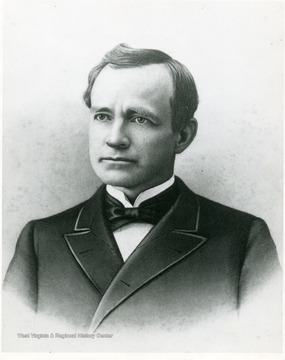
A.B. Fleming
A.B. Fleming

Mr. Harry H Stock, E.M. editor of “Mines and Minerals” of Scranton PA is visitor in the city. He procured copies of the West Virginian for every day since the mine disaster. (FWV 12.12.07 pg. 5)

In Monongah:

“The ladies of the relief corps are continuing their noble work and much food is being dispensed to the workers. Soups, meats, sandwiches, vegetables pie and coffee constitute the mean which is served night and day in a little building near the company office. Hundreds are thus fed every day.” (CDT 12.12.07 pg. 1)

C.W. Watson will not give a statement about the number of victims to the press until the “total number of miners is known…census of miners had not yet been completed. Three or four miners lived in the country and their families would have to be seen before the statement could be made. Mr. Watson said that the number would be between 328 and 334.” (FWV 12.12.07 pg. 1) (FWV 12.13.07 pg. 1)

He provides this statement instead:

“The work of removing bodies from the mines progressed very rapidly today and at the rate that the dead are brought out now the search work will be completed sooner than it was thought. The work in mine No 6 is practically done. The searchers have explored all the rooms of that mine.” (FWV 12.12.07 pg. 1)

Rumors of epidemic begin to surface and are attributed to the many maimed and decomposing bodies and carcasses about the town and still inside the mines. (McAteer) (News)

Mr. Fleming and Wilmot arrive in Monongah and go to the office where Wilmot is introduced to General Manager Lee. L Malone. “Mr. Malone at once placed the records of the company relative to the census of miners being taken at Mr. Wilmot’s disposal and after verifying the newspaper reports he hunted Mayor Moore to take some active steps for relief work.”

“Mr. Wilmot found Mayor Moore surrounded by a crowd of about 50 people engaged in relief work, but he gave Mr. Wilmot a hearing and very kindly consented to do whatever was thought best in the matter of organizing the committees.” (FWV 12.23.07 pg. 1 & 4 – extra)

At the mines:

The removal of livestock begins.

drivers - 1908

Marion County Board of Health issues a 2nd order: “…imminent danger of epidemic of disease breaking out…scores of men working in recovering dead are prostrated…so urgent…all of the streets of Monongah were heavily sprinkled with lime…odors emanating…unbearable.” (McAteer)

At #8:

1st full search is completed in #8 and a second search immediately begins. (McAteer) (Inquiry)

“Patrick Louchney’s remains were found in mines No. 8 and taken to the morgue this afternoon. His body was terribly mangled and mutilated. It will be taken to Clarksburg for burial.” (CDT 12.12.07 pg. 1)

~3:30 pm

12.12.07 - pg 1 - Monongah 212.12.07 - pg 1 - Monongah 3

CDT 12.12.07 - pg 1 - Monongah 4
CDT 12.12.07 pg 1

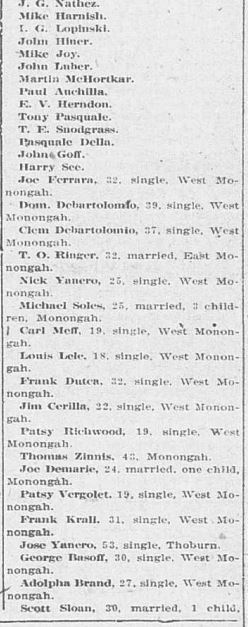
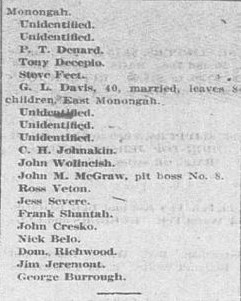
“A great many bodies remain unidentified as yet and probably most of these will never be identified or claimed by relatives. The number of the unidentified reached fully sixty so far and doubtless many of those yet to be recovered will be in the same class.” (CDT 12.12.07 pg. 1)

~4:00 pm

In Fairmont:

The 24 members and 2 guests of the Ladies Aid Society of the Diamond Street M.E. Church complete “40 pieces of clothing” and enjoy a dinner “for the small sum of $.15”, the proceeds intended to go to the relief fund. (FWV 12.12.07 pg. 2) (FWV 12.13.07 pg. 2)

~4:30 pm

In Wheeling:

The Wheeling Board of Trade holds special meeting of directors about the Monongah relief fund. Labor Commissioner I.V. Barton (who went to Monongah shortly after the disaster and stated he would bring a report of conditions to Board of Trade) “spoke at some length”.

“There are, Mr. Barton stated, from a thousand to twelve hundred orphans and at least 350 widows it has been estimated. The children have been born since the disaster and there are 60 expectant mothers among the widows. The Fairmont Coal Co. and the local relief committees are doing nobly, and are caring for the situation.” Mr. Barton stated that if the Board of Trade was to contribute, now is the time to do it. “The aid is not necessary now but in the future relief will be needed.”

The Board of Trade contributes $1,000.00 to the relief fund. (FWV 12.13.07 pg. 1)

In Monongah:

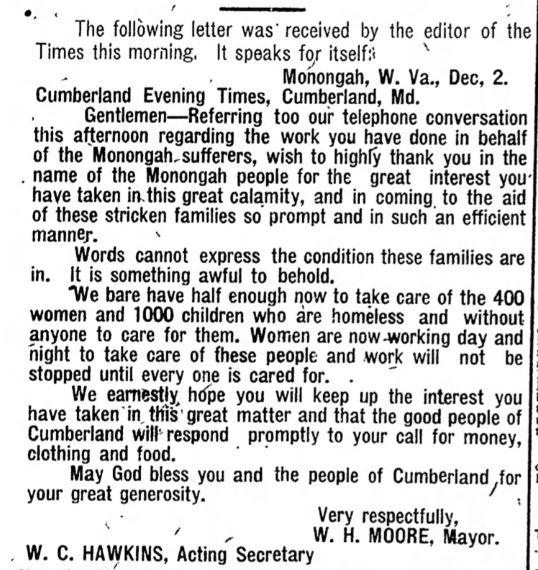
In the earliest days after the disaster, various relief committees were formed by well-meaning individuals and groups but there is no representation for the immigrants and their various nationalities among them. Bishop Donahue was added to the initial general relief committee when he pointed out a lack of representation for the Italian and Polish-Slavic Catholic churches and the committee expanded to incorporate immigrant representation. (McAteer) (News)

Manager/Secretary of Carnegie Hero Fund Commission Frank M Wilmot combines the majority of these relief committees into one: the Monongah Mine Relief Committee. (McAteer)

The Carnegie Hero Fund donates $35,000 to this relief committee and takes charge of the organizing.  (McAteer) (News)

Wilmot then has a meeting with Watson, Fleming, and other company officials to discuss their role in the relief efforts. Watson and Fleming are cautious about endorsing notion of public appeal for funds. They are concerned about the effect such an appeal would have politically, particularly on the general public. Wilmot convinces them the response would be well received. Following the meetings with Wilmot and others they soon became supportive of the relief committees and assigned “various employees in the offices of FCC & others to work nights, Sundays, and other extra time helping the Subscription Committee to address envelopes and send out appeals”. Eventually, officials of mine, like Cunningham, serve as members of committee. (McAteer)

The Union Relief Association Committee, made up entirely of women from Fairmont and surrounding areas, is the only one not included into the MMRC.

~5:00 pm

Cunningham sends Watson a list of names along with morgue numbers. Bossilo Pillelo and Petro Frediro are listed with a note: “Italians were in #8. Selecting place to work. Chief Paul found their order copy x of mine laws.” (McAteer)
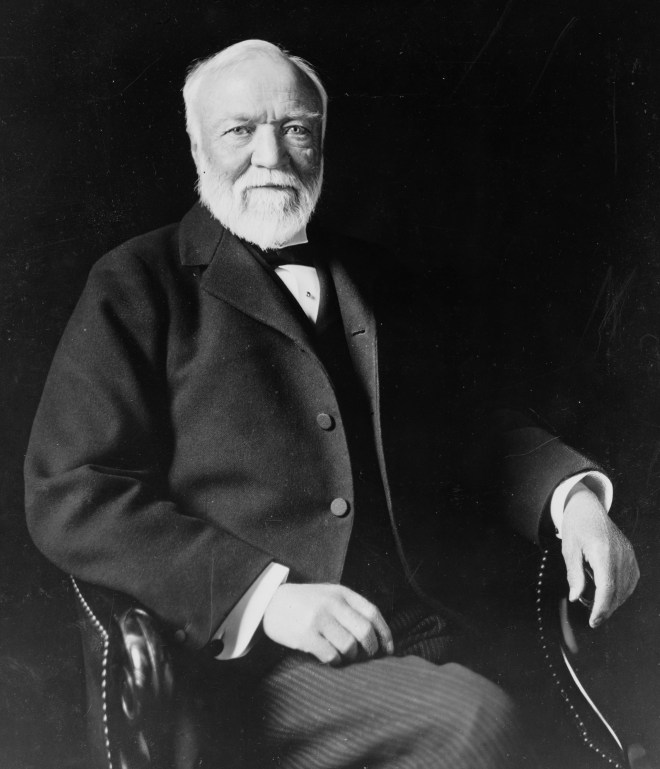
Andrew_Carnegie,1913
Andrew Carnegie


More on How Death Gloated!

Bibliography

Disclaimer and Guide

Introduction

About the Author

Contact Information

Thursday, December 12, 1907 Midnight – Morning

CDT 12.12.07 - pg 1 - Monongah 5
CDT 12.12.07 pg 1

In the early hours of the morning

12.12.07 - pg 6 - Monongah
TMDM 12.12.07 pg 6
In Hendricks, WV:

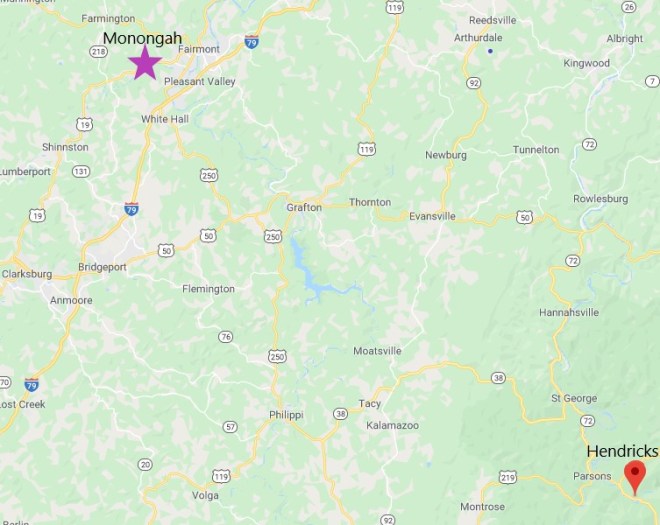
Roy Yaeger, 28 year old engineer for Western Maryland railroad, detects an odor of gas in his home and starts to investigate. He quickly finds that a rubber hose has come loose from a stove and “just as he was in the act of turning the gas off the gas was ignited from an oil lamp in another part of the house and the explosion followed.” (FWV 12.13.07 pg. 2)

“Yaeger was ablaze in an instant and jumping out of a window he rushed up street, his clothes burning fiercely. Before he could be succored his clothes were all burned off and was a mass of charred flesh.” (FWV 12.13.07 pg. 2)

Yeager “met with a terrible death”. His wife and little child were severely burned and the home in where they lived was practically blown to pieces. (FWV 12.13.07 pg. 2)

hendricks

~3:00 am

CDT 12.12.07 - pg 4 - Lydens Body“The body of Timothy Lyden was found in mine No. 6 at Monongah at 3 o’clock this morning, taken to the morgue and prepared for burial.” (CDT 12.12.07 pg. 4)
“Relatives identified the body by his clothes and the back of his head. The body was well preserved but the face was badly mutilated.” (CDT 12.12.07 pg. 4)

“Mr. Lyden was 38 years of age and leaves a widow and five children. He was a brother of Patrick J., Michael and Margaret Lyden and Mrs. P.F. Tiernery.” (CDT 12.12.07 pg. 4)

~3:30 am

CDT 12.12.07 - pg 1 - Henry martin

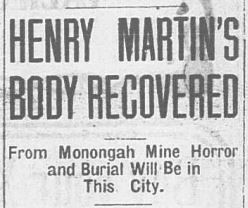
“Henry Martin’s body was found in mine No. 6 at Monongah at 3:30 o’clock this morning and identified by his brother, Patrick Martin, of this city. Mr. Martin has another brother here, too, Thomas Martin.” (CDT 12.12.07 pg. 1)

“Mr. Martin was 42 years of age.” (CDT 12.12.07 pg. 1)

“Mr. Martin leaves a wife and five children making his death particularly sad, as they were dependent upon him for support.” (CDT 12.12.07 pg. 1)

“Accompanied by relatives and friends, the body will leave Monongah at 8:22 o’clock tomorrow morning for Clarksburg, and will be taken to the Catholic church, where at 10 o’clock funeral services will be held at the same time that the Timothy Lyden obsequies are held. It will be a double funeral at the church—all at the same mass. Interment will be in Holy Cross cemetery.” (CDT 12.12.07 pg. 1)

At some point during the early morning hours

The body of John T. McGraw, pitt boss at Monongah mine No. 8, “was recovered from the mine early Thursday morning”. (CDT 12.13.07 pg. 1)

~4:30 am

“The body of Charles Wise of Fairmont, one of the best known men, was recovered at 4:30 o’clock…” (ES 12.12.07 pg. 2)

Wise was personal surveyor for Senator J.N. Camden. He surveyed inside of mines to ensure Camden and others were properly paid by Consolidated Coal Company. (FWV 12.12.07 pg. 1)

The 37 year old Chief Engineer “went into the ill-fated mine only a short time before the explosion.” (ES 12.12.07 pg. 2) (FWV 12.12.07 pg. 1)

Despite early reports announcing that only his jack and shoes had been found, leading people to believe Charles had been “blown to atoms”: “The body was in a good state of preservation and easily recognized. Besides in his pockets were his B&O mileage book, street car book, watch, ring and pipe, which were means to identify him.” (FWV 12.12.07 pg. 1)

Wise was found in #6 near the main heading, in a sitting position ½ mile away from his jacket. He had wrapped his waistcoat around his head indicating that he had survived the explosion and attempted to find his way out but got lost in the darkness and was eventually overcome by afterdamp. (FWV 12.12.07 pg.1)

Charles becomes body #258 to pass through the morgue. (Amos)

He leaves a widow, Pearl Reed Wise, and 2 sons: Thomas Reuben, 2 years, and Lorin Turney, 2 months old. (McAteer) (FWV 12.12.07 pg. 1)

~6:00

In Fairmont:

All mines in the Fairmont Coal Field are up and running to almost full capacity except those in Monongah. (FWV 12.11.07 pg.1)

The Fairmont West Virginian reports the weather as: Partly cloudy tonight and Friday, nearly stationary temperature (FWV 12.12.07 pg. 1)

In Monongah:

The remains of Charles D. Wise are taken to Musgrave’s undertaking parlors “just as they were taken from the mine” on 6:15 street car. (FWV 12.12.07 pg. 1)

At the mines:

“Officials…feel hopeful that the large force of rescuers, entering the mines at Monongah this morning will be the last necessary to send into the workings to recover the bodies…” (ES 12.12.07 pg. 2)

~8:00 am

In Clarksburg:

“The body of Thomas Killeen was brought here Thursday morning from the Monongah mine horror. The funeral was held in the Catholic church and burial in Holy Cross Cemetery.” (CDT 12.12.07 pg. 5)

In Fairmont:

Tom Donlin’s funeral is held at St. Peter’s Catholic church under the direction of the Ancient Order of Hibernians. Services are largely attended by friends and relatives following with interment at Holy Cross cemetery. Pallbearers were: Messrs. M.J. O’Neil, Anthony McDonough, John Kelley, John D Barry, Michael Ford and Jas. Erwin. (FWV 12/12/07 pg. 5)

In Monongah:

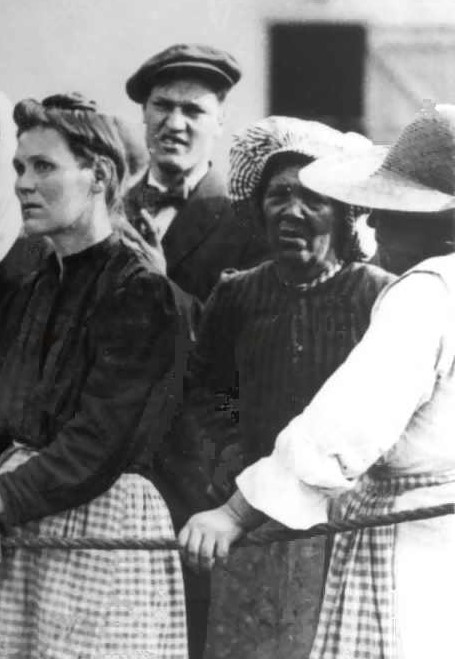
Women and children are still standing guard by the morgue.

women

At the mines:

Ventilation is restored to 8 miles of room headings, 550 rooms have been explored and tracks in 5.5 miles of main headings are cleaned up enough to allow hauling of bodies and materials. (McAteer)

1st full search completed in #6. The search parties have explored all the rooms of the mine and 20 searchers transfer from No 6 to No 8. “…the work in No 8 will be practically completed tonight when all the men will have been removed except those under falls.” (McAteer) (FWV 12.12.07 pg. 1)

The bodies taken out this morning are in “pretty good condition” so as George Gibbon, who has been able to identify most of the miners, was very successful. (FWV 12.11.07 pg.1) (FWV 12.12.07 pg. 1)

Among them is body #287—Ellis V. Herndon, this author’s great-great grandfather. Ellis’s son, Ira Herndon, was unable to go to work Friday morning due to his wet boots, and has had no need to take part in the rescue efforts as “they had other people who did that”.  Ira is able to stay with his family throughout the whole ordeal and mourn their elder. Ellis was found in excellent condition and buried in the cemetery “on the back of Tower Hill, in the hollow.” (Loss)

cemeteries
The mass grave donated earlier this week due to inclement weather is by the Catholic cemetery. However, the original potter’s field, which was used and became full within the first few days after the disaster, is currently unknown/lost. This author has quite the theory as to its potential location and this will be discussed later in an “Issues” post.

~9:00 am

In Belle Vernon, PA:

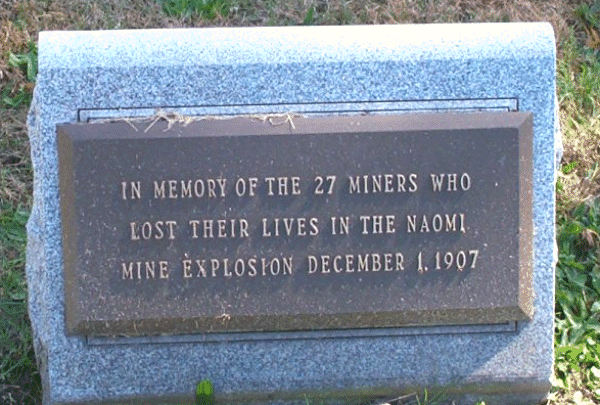
Coroner Hagan commences the official inquiry into the December 1st Naomi mine explosion. A number of officials testified and it was heavily discussed whether or not electricity should be used in mines.

In Fairmont:

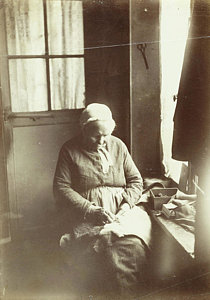
Ladies Aid Society of the Diamond Street M.E. Church meets at the home of Mrs. Priscilla Merrifield on Wilson St. between 9am-4pm. 24 members and 2 visitors spend the day “sewing or doing any other work that may be done for the Monongah sufferers. Clothing or anything which will be donated for the cause will be gladly received by the ladies.” (FWV 12.10.07 pg. 2) (FWV 12.12.07 pg. 2)

old-woman-sitting-by-a-window-sewing-anonymous-artokoloro

“A Pittsburgh man said this morning that he was surprised at the small contributions being sent in for the Monongah relief fund. He thought the big cities were taking too little interest in the matter and that the papers ought to take the question up with a view to creating a larger fund. He thinks there ought to be a fund of at least $200,000 to properly care for 300 widows and 1,000 orphans.” (FWV 12.12.07 pg. )

In Monongah:

2 men try the same trick from day before of posing as workmen to get food and goods. They are caught, arrested, and put in the Monongah jail. (FWV 12.11.07 pg.1)

“About 100 men are digging graves for the dead and as fast as the bodies are prepared and identified they are taken to the cemeteries or shipped to the places designated by friends.” (FWV 12.11.07 pg.1)

Messrs. S.E. Jenkins and J.A.C. Prickett, representatives of the Setting Sun Tribe of the Improved Order of Red Men, accompanied the body of one of the Monongah victims to the home at Connellsville, PA. (FWV 12.12.07 pg. 2)

~10:00 am

“Two hundred and eighty-five bodies were recovered at 10 o’clock today, and 25 more were ready for removal to the surface.” (LET 12.12.07 pg. 1)

~11:00 am

In Pittsburgh, PA:

NYTb 12.13.07 - pg 5 - Monongah

“C.W. Watson…will, in the name of his wife, erect an orphan asylum at Monongah in which will be cared for and educated the children of the men who lost their lives in the disaster. Today representatives of Mr. Watson visited this city, where they inspected various orphan asylums, and announced that work on the new asylum at Monongah will be started at once.” (NYTb 12.13.07 pg. 5)

In Charleston, WV:

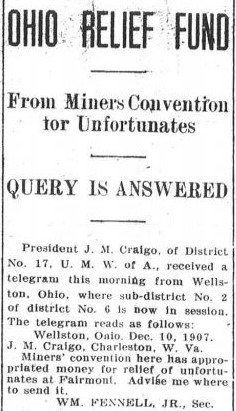
TA 12.12.07 - pg 1 - Ohio Relief Fund

“President Craigo called at the office of the Mail, where a relief fund is being collected and was advised that it would be better to have the contribution from the Wellston miners sent direct from that point to Mayor Moore, at Monongah, rather than have it come to Charleston and then be remitted from here to Monongah. Mr. Craigo adopted the suggestion and wired the convention to the that effect.” (TA 12.12.07 pg. 1)

In Monongah:

“R.H. Spahr went to Monongah this morning and spent a few hours viewing the mine horror.” (CDT 12.12.07 pg. 8)

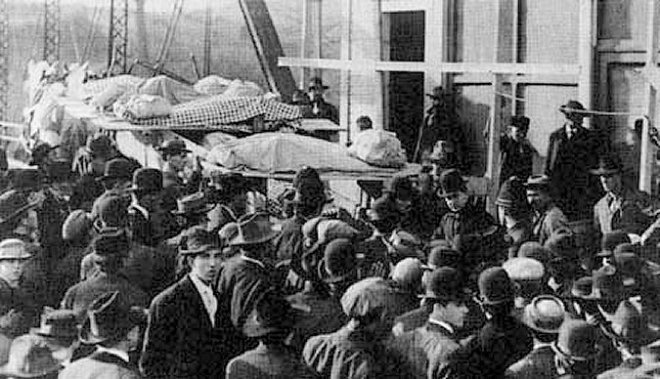
“At 11 0’clock this morning 256 bodies have been waiting for transportation. It is estimated that there are still 145 bodies in the mines. Eighty-five bodies are unidentified. The greater number of these have already been buried.” (WT 12.12.07 pg. 3)

mmd-mining2


More on How Death Gloated!

Bibliography

Disclaimer and Guide

Introduction

About the Author

Contact Information

December 1, 1907 – Welcome to Bloody December

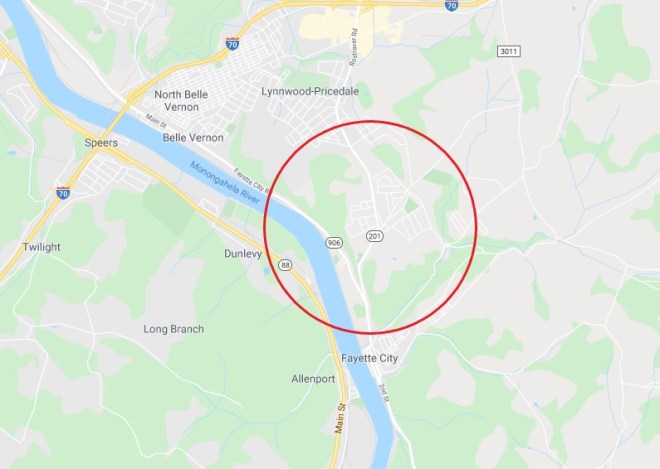
Naomi - approximate location

Belle Vernon, near Fayette City, Pennsylvania.

Sometime between 7:15pm – 7:30 pm, the Naomi mine explodes “with a roar that shook the whole countryside.”1

“The explosion was caused by gas being ignited by an open light or an electric spark or flame from the electric wires, and it was greatly augmented by coal dust.”4

Fires inside the mines immediately follow the explosion. The Sunday night shift is relatively small so it is believed some 30 – 60 miners are entombed underground where the fires steadily consume all breathable oxygen and replace it with toxic gases known as black damp.

“Within a few minutes hundreds of people surrounded the pit mouth. The screams were indescribable. Wives and children and friends of the men entombed wrung their hands and begged piteously for rescuing parties to enter the mines and bring out their loved ones. All night they refused to leave the pit mouth.”

“After a brief examination of the conditions, the impression prevailed among the inspectors that no one would be found alive in the mine, as the after damp would in all probability have smothered those who were not burned by the gas or hurled to death against the sides of the mine by the force of the explosion.  The miners, most of whom were foreigners, were at work almost a mile from any entrance.”4

“Only one man, an unknown foreigner, (out of 34 employees), reached the surface after the explosion occurred, and as he reached the open air he fell unconscious from inhaling the gas fumes and died in a few minutes.”4

This slideshow requires JavaScript.

image from usminedisasters.com
In West Virginia:

Governor Dawson leaves for Washington D.C. to attend a meeting of rivers and harbors congress which will be in session for several days. (FWV 12.4.07 pg. 4)

Welcome to Bloody December.


1907 is considered the deadliest year of the mining industry in the United States.2 The month of December produced 5 separate major disasters and numerous accidents which cost the lives of over 800 men and boys, the majority of whom are minorities and immigrants.

This month will be the real catalyst to a decades-long fight to bring an end to negligent labor practices across the country. Bloody December is so horrific that the American public finally lets its government and its industries know that they have had enough. The devastating and very preventable loss of life sparks a heavy push for government regulation in private industry and labor practices.


Previous Post

Next Post


More on How Death Gloated!

Bibliography

Disclaimer and Guide

Introduction

About the Author

Contact Information